

Have you ever seen a metal accessory that stays pretty, even after everyday use? The secret is in its makeup. The best pieces are made with pure metal, have a smooth finish, and are built solidly. When you pick an accessory, you want one that looks good and lasts. Whether it is the alloy (mix of metals) or the careful construction, every detail counts. This guide shows you what to check so you can shop smart and choose quality metal accessories.
Core Quality Indicators in Quality Metal Accessories
Choosing the right metal is a big deal. The metal you pick changes how your accessory looks, how long it lasts, and how it works day to day. Gold, for instance, is soft and easy to shape, while tungsten is known for staying scratch-free. In short, using the right material helps your accessory stand up to daily use.
How an item is built matters too. Good construction means the metal is certified and put together with strong joints and careful finishing. This shows that the accessory was made to stick around. If you want a step-by-step guide on checking quality, take a look at the insider’s guide to evaluating accessory quality.
- Metal purity and alloy makeup
- Smooth and refined surface finish
- Strong joints and solid structure
- Treatments that help prevent corrosion
- Accurate sizing and thoughtful design
- Verified quality material certification
Every one of these points shapes both how your accessory functions and how it looks. Take sterling silver as an example. It combines durability with a friendly price thanks to its 92.5% silver content. On the other hand, titanium is a strong but lightweight option that is 100% hypoallergenic (meaning it is unlikely to cause allergic reactions). This means your accessories will keep looking good and performing well over time, making them a smart choice for any collection.
Material Composition and Alloy Analysis for Metal Accessories

When picking a metal accessory, the alloy you choose plays a key role in how it feels and performs. The blend of metals affects its look, strength, flexibility, and how long it lasts. For example, gold is nearly pure with just a touch of other metals added for strength, while platinum usually uses about 90% platinum mixed with a bit of iridium, palladium, or ruthenium to boost durability. Knowing these differences helps you decide which metal fits your style, everyday needs, and budget.
| Metal Type | Composition | Hardness (Mohs) | Corrosion Resistance |
|---|---|---|---|
| Gold | 99% Au + alloys | 2.5–3 | High |
| Platinum | 90% Pt + Ir/Pd/Ru | 4–4.5 | Very High |
| Sterling Silver | 92.5% Ag + 7.5% Cu | 2.5–3 | Moderate |
| Stainless Steel | Fe/18% Cr/8% Ni | 5–6.5 | High |
| Titanium | ≥99% Ti | 6 | Very High |
Hardness and rust resistance matter for both how you use your accessory and how much you pay for it. Metals like titanium and stainless steel are tough and stand up well to everyday wear. They resist scratches and dents so they stay looking good. On the other hand, softer metals like gold and sterling silver require extra care to avoid bending or scratching.
Rust resistance is also key. It decides how long your accessory keeps its shine and strength over time. For instance, platinum and titanium fight rust and tarnish very well. This makes them great choices if you plan on wearing your accessory often or in damp places. Checking these features helps you pick accessories that work well with your lifestyle while staying on budget.
Assessing Surface Finish and Corrosion Resistance in Metal Accessories
When checking metal accessories, start by examining the surface finish. A quality piece usually shows an even color, a smooth shine, and no tiny pits. For example, stainless steel is treated with processes like electropolishing (a way to smooth the metal) or passivation (a method to protect against rust) to keep its surface steady. Gold and platinum often keep a naturally mirror-like look.
Also, look for extra protective coatings. Metals such as titanium and tungsten often have a thin oxide layer added during production or that forms naturally, which gives them extra protection and a pop of color. Silver accessories are usually coated with rhodium to help stop tarnish and scratches. For more details on plating checks, visit essential indicators of durable accessory design.
Everyday factors also matter. Moisture, salt, and changing temperatures can wear on even the best-treated metals. A simple test is to gently wipe the accessory with a soft cloth dampened with water. This can quickly show signs of rust or tarnish. Keeping an eye on these details helps you choose pieces that look good and work well for a long time.
Design, Craftsmanship, and Structural Integrity in Metal Accessories

Quality accessories start with thoughtful design. Size, shape, weight, and fit are chosen to make pieces that not only look sharp but also work well for everyday use. Metal formed with care has great strength and a bit of flexibility (how much it can bend) without losing durability. This careful planning sets the stage for an accessory built to last.
Craftsmanship Benchmarks
Good craftsmanship is all about being precise. This means keeping tight control on measurements, getting smooth finishes, and joining parts neatly. Each piece should have smooth transitions where the parts meet exactly. By following these standards, manufacturers cut down on gaps and misalignments. This attention to detail gives the accessory a strong feel and helps it keep its shape as time goes on.
Precision Forging Methods
Precision forging makes a big difference in high-quality accessories. Forging (a process where metal is shaped by pressure instead of being poured into a mold) aligns the metal's structure. This makes the item stronger and more resistant to small cracks. The process also adds resistance to bending and splitting. Every accessory goes through thorough stress tests to show it can handle daily impacts while keeping its quality design.
Durability Testing and Longevity Indicators for Metal Accessories
Lab tests help show how tough a metal accessory is. In a tensile test, we pull the metal until it breaks. Rockwell hardness tests check how well the surface resists scratches and dents. Fatigue cycles simulate repeated stress to see how the accessory will wear over time.
Field tests add real-life conditions. We simulate impacts, bending, twisting, and even accidental knocks. This testing shows how the accessory handles shocks and continuous wear. We also check anti-wear treatments like PVD coatings or passivation, which help fight off abrasion and rust.
Reading these test results is key when deciding what to buy. A good hardness range means the accessory can take small scratches. Fatigue cycles tell us how many times the accessory can flex before wear appears. By looking at these details, you can tell if the accessory will keep its shape, shine, and performance in everyday use.
Choosing and Caring for Quality Metal Accessories
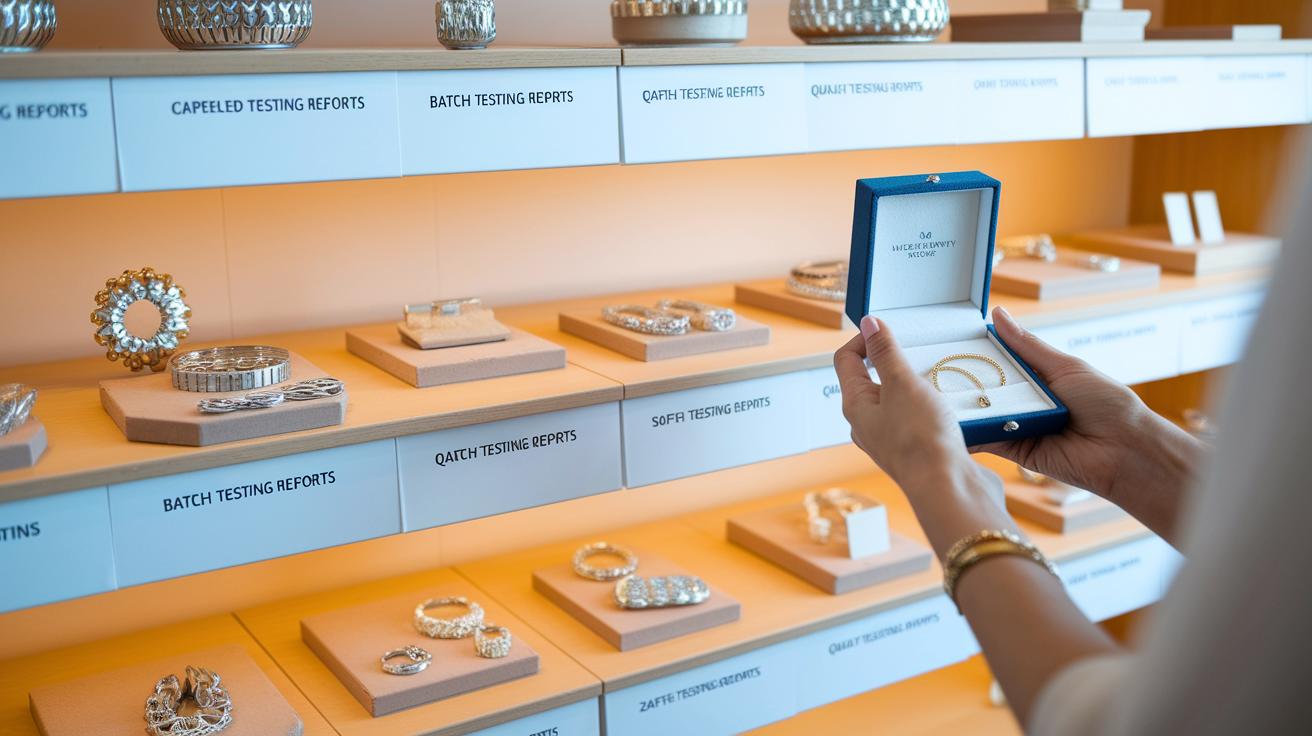
When you shop for quality metal accessories, start with trusted suppliers. Look for those that provide certified material sourcing and batch testing reports (quality checks on groups of items) so you know the metal meets high standards. Check that the brand clearly lists return policies, warranty details, and next-day delivery options. This helps you balance cost with quality and avoids surprises.
Once you pick an accessory you trust, proper care is key. Soft metals like gold and silver need gentle cleanings and special storage. Harder metals such as titanium and tungsten need less fuss. Silver may do better with occasional rhodium re-plating (a process to refresh its shine), while mild steel might need re-passivation (a treatment to restore its protective layer). If damage occurs, it’s best to get a professional repair instead of trying a DIY fix.
Final Words
In the action, we broke down core quality indicators like material composition, surface finish, structural integrity, and durability tests. We showed how premium metals and solid construction work together to create reliable pieces. We also covered tips for care and trusted sourcing so you know what to look for in quality metal accessories.
Our straightforward review aims to help you pick items that stand up to daily wear while keeping returns at bay. Enjoy your new finds with confidence and style.
FAQ
How to tell the quality of metal?
The metal quality is evident when you assess its alloy makeup, finish, and certifications. Look at details like plating, weight, and texture consistency to judge its durability and overall performance.
What compositions indicate high-quality metal?
High-quality metal stems from premium alloys like platinum paired with iridium, pure forms of titanium, or well-blended stainless steel. These combinations offer lasting resilience and a smooth, refined finish.
Which metal jewelry is best?
The best metal jewelry features metals like platinum, titanium, or high-grade stainless steel. These metals provide lasting strength, are hypoallergenic, and maintain a polished look even with daily wear.