

Quick Verdict
Ever wonder why your cheap tee barely lasts?
Why We Noticed It
When clothes are made to follow fast trends, quality often suffers. That bargain tote might look appealing at first, but it fades or tears after just a few wears.
What It Really Costs
A low price can hide hidden costs. You end up replacing the shirt often, and that extra waste hurts our environment.
Why Choose Durable Clothes
Investing in clothes that last means you spend less money over time. It also helps reduce waste and supports a move to smarter, planet-friendly choices.
Apparel Lifespan Importance in Fast Fashion
Fast fashion runs on a quick and cheap production plan that pushes us to buy more clothes. This approach makes brands focus on trendy looks rather than lasting quality. Often, you end up with a new T-shirt that looks good today but wears out after a few uses. This not only creates more waste in our landfills but also gives the false sense that a low price means long-lasting value.
When clothes are made to last, we help protect our environment. Durable garments mean fewer items in landfills and reduce the need for too many raw materials and extra energy. Clothes that stand up to many washes and wears use less water and energy over time. New fabrics, whether they are natural or improved synthetics (better at resisting wear), show that we can choose quality over quick trends.
Buying durable clothing benefits both your budget and the planet. You save money by not having to replace items so often, and you enjoy clothes that perform well over time. Plus, brands that opt for strong, quality materials help build a supply chain that values fairness and responsible resource use. This move supports a shift toward a more sustainable future in fashion.
Economic Impact of Short‐Lived Fast Fashion Garments
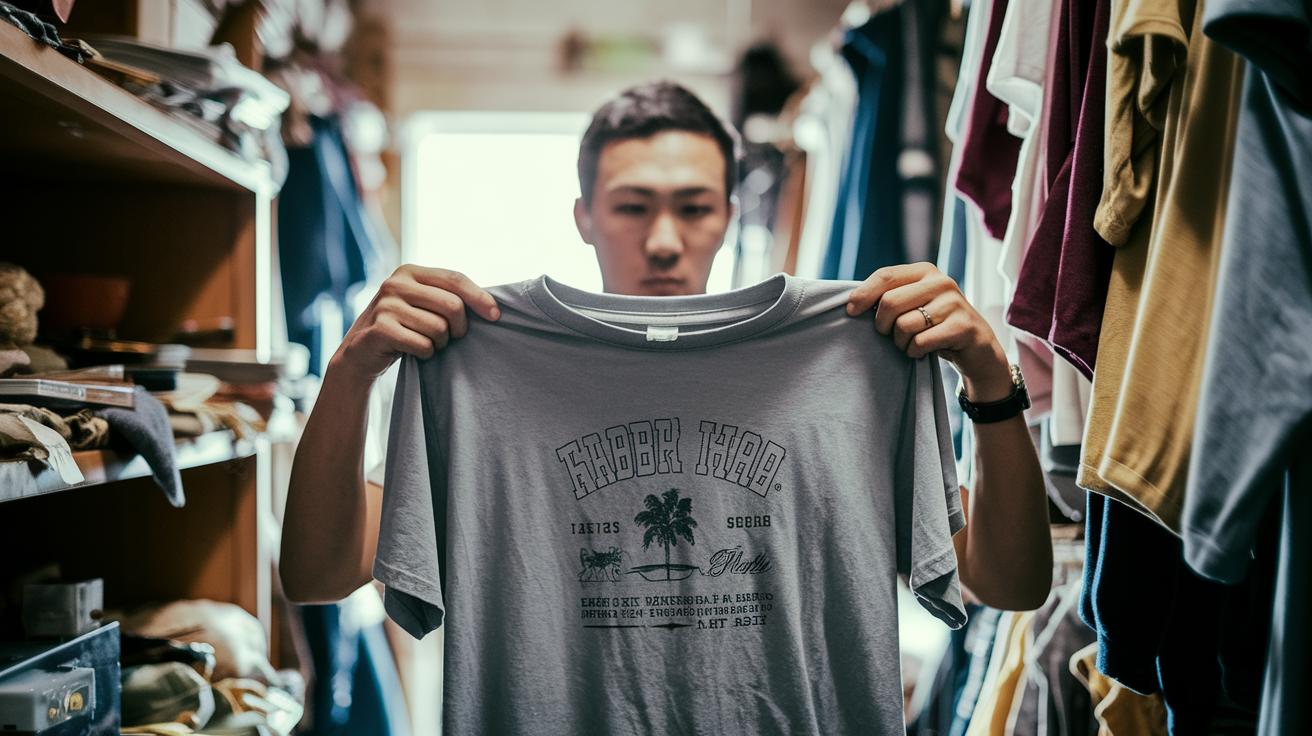
Fast fashion looks good on the price tag, but its short life forces you to spend more in the long run. Many of us think a low price means a bargain, yet when clothes fade or lose shape after a few washes, you end up buying replacements more often. This constant need for new items hides extra costs like disposal fees and environmental cleanup charges that sneak up on you over time.
When you buy a T-shirt that doesn't hold up well, you are really paying for convenience instead of durability. Cheap clothes often miss proper care and fair production practices, which means they wear out quickly. Instead of saving money with low-cost items, you end up spending more as you replace them.
Here are some key hidden expenses of fast fashion:
| Hidden Cost | Description |
|---|---|
| Frequent Replacement | You spend more over the year since you need to buy new items all the time. |
| Disposal Fees | Costs like landfill and recycling fees add up. |
| Environmental Cleanup | Quickly thrown-away clothes increase overall environmental costs. |
| Lost Resale Value | These items rarely fetch any value when sold secondhand. |
| Extra Repairs | Frequent mending or maintenance adds an extra burden. |
| Logistics Costs | More returns and exchanges drive up shipping costs. |
Over time, investing in clothes that last shows its worth. Sturdy garments reduce the need for constant repurchases, keeping your wardrobe and budget in better shape while also easing the strain on our environment.
Comparing Fast Fashion vs Durable Alternatives
Fast fashion makes trendy clothes quickly and cheaply, but this comes at a price. These items are produced in high volumes and often don't last long. In contrast, durable alternatives focus on making fewer pieces with better materials that can handle everyday wear. Even if fast fashion items pass simple tests like checking for pilling (small fabric balls) or colorfastness, they usually fall short when it comes to real-life use. Durable pieces, however, are built with options for repair or even remaking, giving them an edge over time.
| Feature | Fast Fashion | Durable Alternative |
|---|---|---|
| Lifespan | Wears out quickly and needs frequent replacement | Built to last with better construction |
| Cost per wear | Low price up front but more expensive over time | Higher initial cost (see clothing quality vs price guide) but saves money long term |
| Environmental footprint | Creates more waste with short life cycles | Lower impact with fewer replacements needed |
| Repairability | Not made for fixing, so you often toss them out | Designed for repair or remaking to extend use |
| Consumer satisfaction | People get disappointed when clothes wear out fast | Generally happier with steady performance and care options |
In short, fast fashion wins on lower prices and current trends at first glance. However, well-made clothes deliver lasting benefits through multiple wears and repair options. If you value quality over quantity, durable alternatives can save you money, reduce environmental waste, and keep you satisfied for longer.
Environmental Impact of Fabric Resilience Assessment
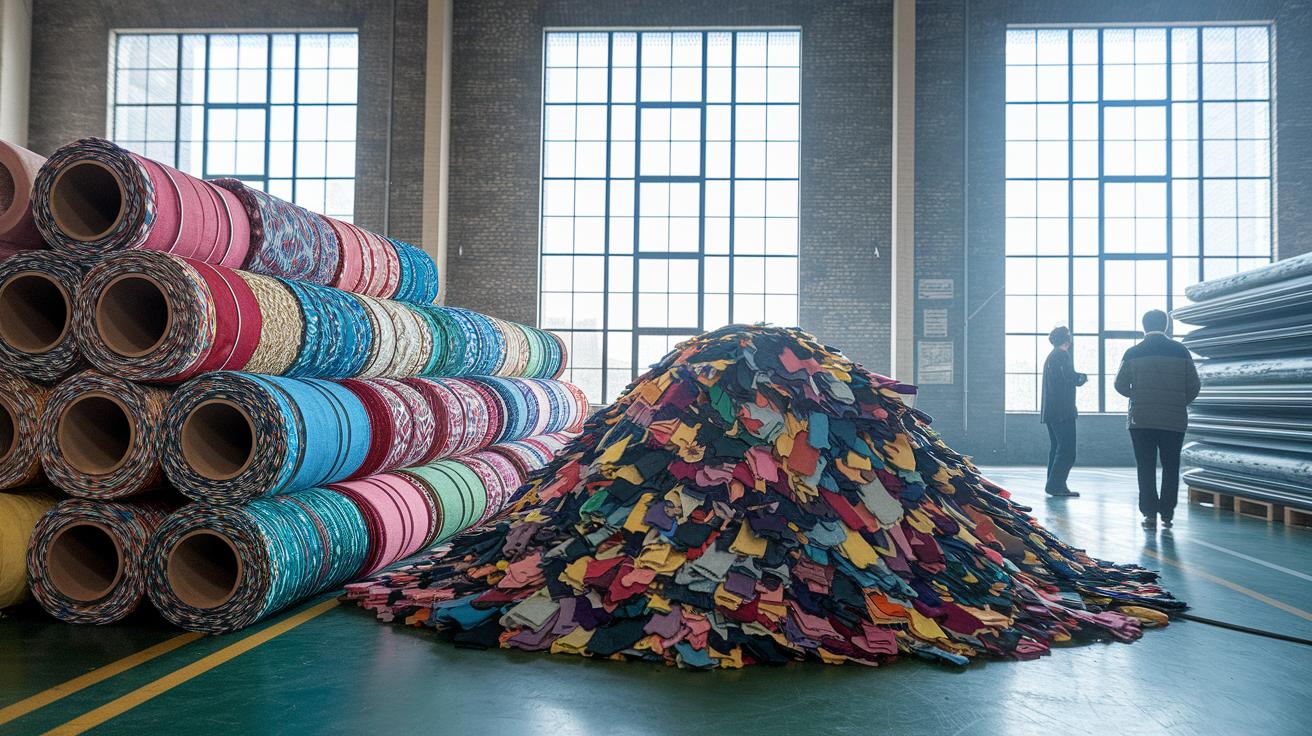
Fast fashion buys into cheap materials that use a lot of water and energy and create a lot of waste. These low-resilience fabrics need extra water during dyeing and finishing processes and boost the carbon footprint when factories work overtime to meet demand. They wear out quickly and end up in overflowing landfills. For example, a low-quality T-shirt might need frequent replacing, which uses more water and energy over time.
Sustainable production methods can cut these impacts. Techniques like waterless dyeing (dyeing without using much water), recycled fibers, and zero-waste pattern cutting (creating almost no fabric scraps) save resources. In the past, clothes were made to be mended instead of tossed out. By choosing tougher materials and better methods, the industry can mix style with care for the planet.
Ethical Manufacturing and Production Quality Inspection in Fast Fashion
Labor and Fair Wages
When workers get fair pay and safe work conditions, they take the time to do things right. A team that is well paid works slower and steadier, which means fewer rushed seams and more careful stitching. Some factories even ask their workers to check every detail on a garment to help it last longer and need fewer fixes later. Imagine a worker spending extra moments reinforcing a seam because they know their work is valued. This extra care helps the clothing handle daily wear. Fair work conditions not only respect people but also boost the overall quality of the product.
Transparency in Supply Chains
When brands share how their clothes are made and where the materials come from, it builds trust. Factory audits and open records show that quality is a real focus, not just a promise. By sharing details about material sourcing and production steps, brands help you spot items built to last. Open sourcing also means ethical rules are followed at every step, lessening the risk of poor quality from outsourced work. Clear inspection and sourcing details let you know each piece is made with durability and care in mind.
Actionable Strategies for Investing in Superior Garment Construction

When shopping for clothes, start by checking that the item is built to last. Look for even stitching and reinforced seams that can handle everyday wear and many washes. Run your finger along the fabric and peek at the seams. For example, a pair of jeans with every stitch neat and tight tells you that quality really mattered during its making.
Taking care of your clothes is just as important as choosing the right one. Stick to the care instructions on the tag, use gentle wash cycles, and avoid harsh chemicals that can weaken the fibers. Simple habits like washing gently and air drying can keep your favorites looking good longer, kind of like how you treat your most cherished sneakers.
Some brands even offer repair services, letting you fix a tear or mend a seam when needed. This extra step not only saves your garment from the bin but also shows the brand’s commitment to responsible practices. It’s a win for you and the planet.
For smart shoppers, building a minimal wardrobe with a few versatile, high-quality pieces makes sense. Do a bit of research and back brands known for solid construction and ethical production. Choosing long-lasting items and using repair options can reduce your overall costs and the environmental toll of fast fashion.
Final Words
In the action, we unpacked fast fashion’s rapid pace and its waste challenges. We broke down how durable clothing saves money, reduces environmental strain, and supports ethical manufacturing practices.
We also shared clear steps to spot quality construction and make smarter choices. It all comes down to why clothing durability matters in fast fashion, a simple guide to investing in pieces that work longer, feel better, and cut waste over time.
FAQ
Why clothing durability matters in fast fashion pdf
The question on why clothing durability matters in fast fashion explains that longer-lasting garments reduce waste and save money, while also lessening the environmental impact from constant replacement and disposal.
What are the bad facts about fast fashion?
The question on bad facts about fast fashion points out that rapid production leads to poor quality clothes, excessive waste, high disposal costs, and ethical issues in labor practices.
Where does fast fashion end up?
The question on where fast fashion ends up reveals that most discarded garments end up in landfills, creating environmental strain and contributing significantly to global waste.
How much clothing goes to landfill each year?
The question on how much clothing goes to landfill each year highlights that a large volume of discarded apparel overwhelms waste systems, underscoring the need for more durable, long-lasting clothing.
What is fast fashion recycling?
The question on fast fashion recycling addresses attempts to reprocess used garments, though many items are hard to recycle due to low-quality materials and a design focused on short-term use.
Where does fast fashion get dumped?
The question on where fast fashion gets dumped indicates that unwanted garments are often sent to local landfills or exported to regions with lax waste management, worsening environmental issues.
What are wasted clothes?
The question on wasted clothes refers to garments that are discarded quickly due to poor construction and rapid consumption, leading to increased environmental harm and economic loss.
How much has fast fashion increased since 2000?
The question on how much fast fashion has increased since 2000 shows that production has surged over the years, fueling greater waste, resource depletion, and a cycle of frequent, low-quality purchases.