

Quick Verdict
Finding a dress that fits just right can feel like a mystery. But knowing your measurements can make it a lot simpler.
Why This Matters
Ever notice how one dress seems to hug you perfectly, while another feels off? A lot of it comes down to sizing. Each brand has its own rules. Standard sizes work for regular shapes, while petite or plus options adjust the design for different body types.
How to Shop Smart
This guide helps you learn how to measure yourself and shop with confidence. When you know your exact numbers, you can choose a dress that feels comfortable and looks great. Stick with the right measurements, and you'll always score a look that feels chic and true to you.
Quick Tips
- Measure yourself carefully before you shop.
- Check if the brand offers specific fits like petite or plus.
- Remember, the right numbers help you find a dress that fits like a charm.
Women's dress sizing guide: Embrace Your Chic Fit
Standard sizes are made for average body shapes. Plus sizes give extra room and are cut to flatter fuller figures. Petite sizes are designed for those who are 5 ft 3 in (1.60m) or under. These dresses have a few small changes: sleeves are 3 cm shorter, the bodice is trimmed by 2 cm, and the crotch is reduced by 3 cm, with the legs set at 28 inches. These tweaks help the dress feel natural and comfortable on smaller frames.
UK sizes are converted to match US, EU, AU, and Asian measurements so you don't have to worry about brand differences. The size charts focus on bust, waist, and hip measurements to guide you in picking the right fit. With choices for standard, petite, and plus, every body type can end up with a dress that looks stylish and feels just right.
- Different brands may have varied bust measurements
- Some designers use uneven hip taping
- UK and US labels can be confusing with their conversions
- Petite designs show differences in sleeve and bodice lengths
- Leg measurements (inseam) can vary with style and silhouette
Precise Body Measurements for Women’s Dress Fit
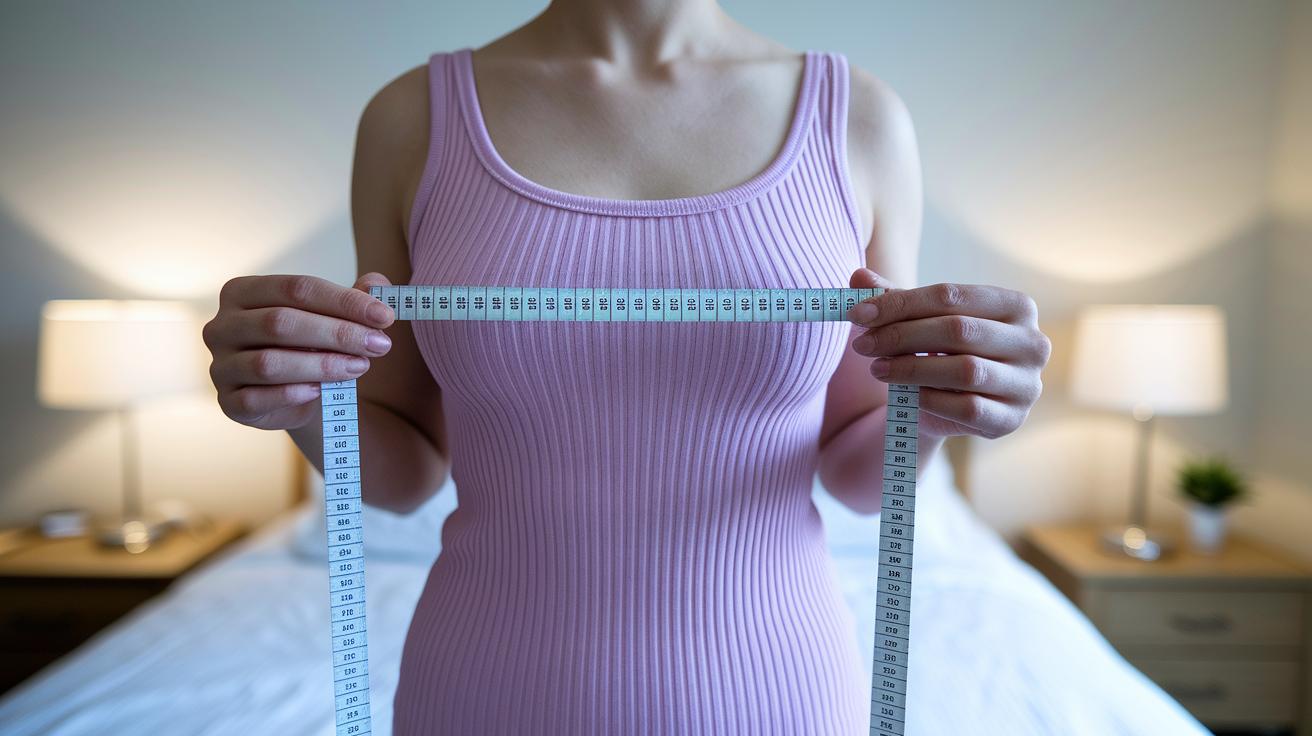
Finding a dress that fits well starts with knowing your measurements. Grab a flexible tape measure and follow these simple steps. We’ll show you how to measure your bust, waist, and hips, plus how to check your inseam and make petite adjustments so you can shop with confidence.
Bust Measurement
Stand tall and wrap the tape measure under your arms around the fullest part of your bust. Make sure the tape stays level and snug against your body without twisting or sagging. This gives you a true reading of your bust width so your dress will fit comfortably over your upper body.
Waist Measurement
Find your natural waist by locating the narrowest part of your torso, usually just above your belly button. Wrap the tape around this spot, keeping it level but not too tight. This clear, unobstructed measurement tells you exactly how much fabric you need where your dress will sit around your middle.
Hip Measurement
Measure your hips by standing with your heels together. Wrap the tape around the fullest part of your hips, keeping it parallel to the floor. This steady method avoids errors from shifting weight, ensuring your dress stays in place on your lower body.
Inseam & Petite Adjustments
For your inseam, use a pair of well-fitting pants. Measure from the crotch seam down along the inner leg to the floor. If you are petite, use these simple adjustments: cut 3 cm off the sleeve length, 2 cm off the bodice, and 3 cm off the crotch, keeping the leg length at 28 inches. These tweaks help create a flattering and tailored look.
| Measurement | How to Measure |
|---|---|
| Bust | Wrap under your arms around the fullest part; keep the tape level and snug. |
| Waist | Measure at the natural narrowest point without pulling too tight. |
| Hips | Stand with heels together and measure around the fullest part, keeping the tape parallel to the floor. |
| Inseam & Petite | Measure from the crotch seam to the floor on well-fitting pants; for petite adjustments, reduce sleeves by 3 cm, bodice by 2 cm, and crotch by 3 cm, with leg length fixed at 28 inches. |
Women’s Dress Size Conversion Across Regions
When you shop online or in stores overseas, knowing your size conversions makes all the difference. UK labels can be a good starting point, but you need to know the US, EU, AU, or Asian measurements to get a true sense of fit. Many brands even create their own conversion charts because their styles might change a bit for different regions.
For instance, if you usually wear a UK size 10, a conversion chart can point you to the matching US or EU size. One key detail to check is the inseam (the measure from your crotch to the hem). This length affects both how comfortable the dress is and its overall look. Typically, short inseams measure around 28 inches (71 cm), and regular ones are about 30 inches (76 cm). These numbers help you compare your favorite pair of jeans or a tailored skirt.
Keep in mind that each brand might tweak their measurements slightly. So, it’s a smart idea to review the conversion guide from the brand you’re eyeing. This simple step helps ensure that your dress fits well and flatters your shape perfectly.
Dress Size Guidance for Common Body Shapes

When you shop for a dress, it helps to know your body shape. There are four basic types: hourglass, pear, apple, and rectangle. An hourglass shape has a well-defined waist with bust and hips in balance. A pear shape means your hips are wider than your bust. Apple shapes carry more weight around the middle, giving a softer waistline. Rectangles have a straighter look with fewer curves. This knowledge helps you choose dresses that flatter your figure.
For hourglass bodies, wrap dresses or fit-and-flare styles are best. They pull in at the waist and show off your curves. If you have a pear shape, go for A-line or empire waist dresses that highlight your upper body while flowing over your hips. For apple shapes, shift dresses or empire styles work well because they don’t cling to the midsection. Rectangles can create curves with dresses that have ruffles or a gathered waistline. With these simple tips, you can pick a dress that feels comfy, fits well, and makes you look great.
Online and Virtual Tools for Women’s Dress Sizing
Online sizing tools let you enter your bust, waist, and hip measurements to get a dress size suggestion. They work like a basic tailor by turning your numbers into a fit recommendation instantly. Some apps even use your smartphone camera to superimpose the dress on your live image, letting you see how it drapes and moves as you walk.
Imagine watching a virtual try-on that shows your favorite dress on you in real time. This interactive approach makes shopping from a distance feel more reliable and fun.
Always double-check your measurements before ordering and read the store's return and alteration policies. Check your measurements at different times of the day to be sure they stay the same. A 7-day return period can be a lifesaver if the size is a bit off or if you need minor adjustments. These simple steps help ensure that the online size suggestion really matches your body, giving you a smoother shopping experience.
Alterations and Custom Fit Adjustments for Dresses

At home, you can make small changes like hemming or adding darts to improve a dress's fit. Pinning a hem or tapering a side seam can fix length problems and remove extra fabric from your bust or waist. Try pinning any extra fabric along the side and then check how the dress falls. These simple tweaks help you get a cleaner, more tailored look without calling a pro.
If your dress needs bigger changes, a professional tailor can help. A good tailor can adjust side seams or make a custom fit to remove noticeable extra fabric or fix an unbalanced shape. This expert touch is especially handy for special occasion dresses. A skilled tailor will take careful measurements and modify everything, from shortening a sleeve to reshaping the dress, so it fits you just right.
Final Words
In the action, this guide walked through key steps from fundamental dress measurements to regional conversion charts and tailored silhouettes for different body shapes. We broke down bust, waist, hip, and inseam methods while also highlighting online tools and basic alteration tips. The detailed walkthrough helps clear up inconsistencies and offers practical sizing advice. Use this women's dress sizing guide as a reliable resource before ordering your next dress. Small adjustments count and smart measurements lead to outfits that feel just right, giving you extra confidence in your wardrobe choices.
FAQ
What is included in a women’s dress sizing guide for plus sizes?
The plus size guide focuses on bust, waist, and hip measurements to match larger body curves. It helps clarify fit differences across brands for more consistent, flattering fits.
How does a women’s dress sizing guide for pants work?
The guide for pants includes waist and inseam measurements to resolve sizing variations. It helps shoppers choose the best fit for comfort and style, especially when brands differ in cut.
What is a women’s dress sizing guide for jeans?
The jeans guide uses key measurements like waist, hips, and rise to match body shape. It reduces guesswork when selecting denim, ensuring a balanced and comfortable fit.
Is a dress size 6 a small or medium?
A dress size 6 can be small in a slim fit and medium in a relaxed style. The fit may vary by brand, so reviewing each specific size chart is beneficial.
What is a dress size calculator?
A dress size calculator takes your bust, waist, and hip measurements to suggest the best size. It offers a quick reference to help pick a consistent fit during online shopping.
What does the Lululemon size chart show?
The Lululemon chart provides measurements for bust, waist, and hips tailored to athletic styles. It helps customers determine the right size for both performance gear and casual wear.
What are the typical measurements for a size 14 dress?
A size 14 dress generally represents balanced bust, waist, and hip figures for a comfortable and proportional fit. Exact numbers vary by brand, so checking a specific chart is advised.
How does the Lululemon size chart for jackets differ?
The jacket chart includes extra details such as sleeve length and shoulder width in addition to standard bust and waist measurements, ensuring a better fit for active or casual outerwear.
Is size 38 a 10 or 12?
A size 38 typically translates to a US 10 or 12, depending on the brand and style cut. Checking a conversion chart can help pinpoint the best fit between the two.
How do I know my dress size for women’s clothing?
Your dress size comes by measuring your bust, waist, and hips then matching them with a brand’s chart. These reference points guide a more accurate fit during shopping.
Is size 12 considered a large or XL?
A US size 12 often falls between large and XL. Since sizing can vary, always confirm with the specific brand chart for precise measurements.
Is a size 14 an XL or XXL?
Typically, a size 14 sits between an XL and an XXL. Checking your measurements against the brand’s sizing guide will help determine the ideal size for your body shape.