

Ever wonder if an online fabric is a solid choice or a letdown? When you can't feel the material in person, it helps to know a few clues.
We break it down simply. First, check the fiber details (what the fabric is made of) and see how tightly it is woven (a tighter weave usually means a smoother feel). Next, look at the fabric's weight (how heavy or light it feels) and search for trusted certifications. Finally, read real customer reviews for honest feedback.
With these easy tips, you can shop online with more confidence and avoid unwelcome surprises when your new clothes arrive.
Spot Quality Fabrics Online: Core Indicators
When buying fabric online, knowing what you're getting is key. Look for details about what the fabric is made of, whether it's natural, synthetic, or a mix, so you can guess how it will feel and how long it might last. This info helps avoid surprises after you order.
You should also check visual clues like how tightly the fabric is woven or knitted, and its weight, to see if it will work well in a garment. Certifications (like Oeko-Tex or GOTS) and real customer reviews add extra trust. Fair return policies and balanced prices give you peace of mind. Knowing these points makes shopping for fabric online much clearer.
- Clear fiber details that show if the fabric is natural or synthetic
- Tight weave or knit that hints at how durable the fabric is
- Correct fabric weight, which affects how it drapes and moves
- Certifications (like Oeko-Tex or GOTS) to back up genuine quality
- Customer reviews that discuss long-term use and care
- Flexible return policies that show the brand's confidence
- Fair prices that often signal good material quality
These points are key for checking fabric quality online. By keeping them in mind, you can shop with confidence and pick fabrics that fit your style and needs.
Read Product Descriptions for Fiber Composition Analysis
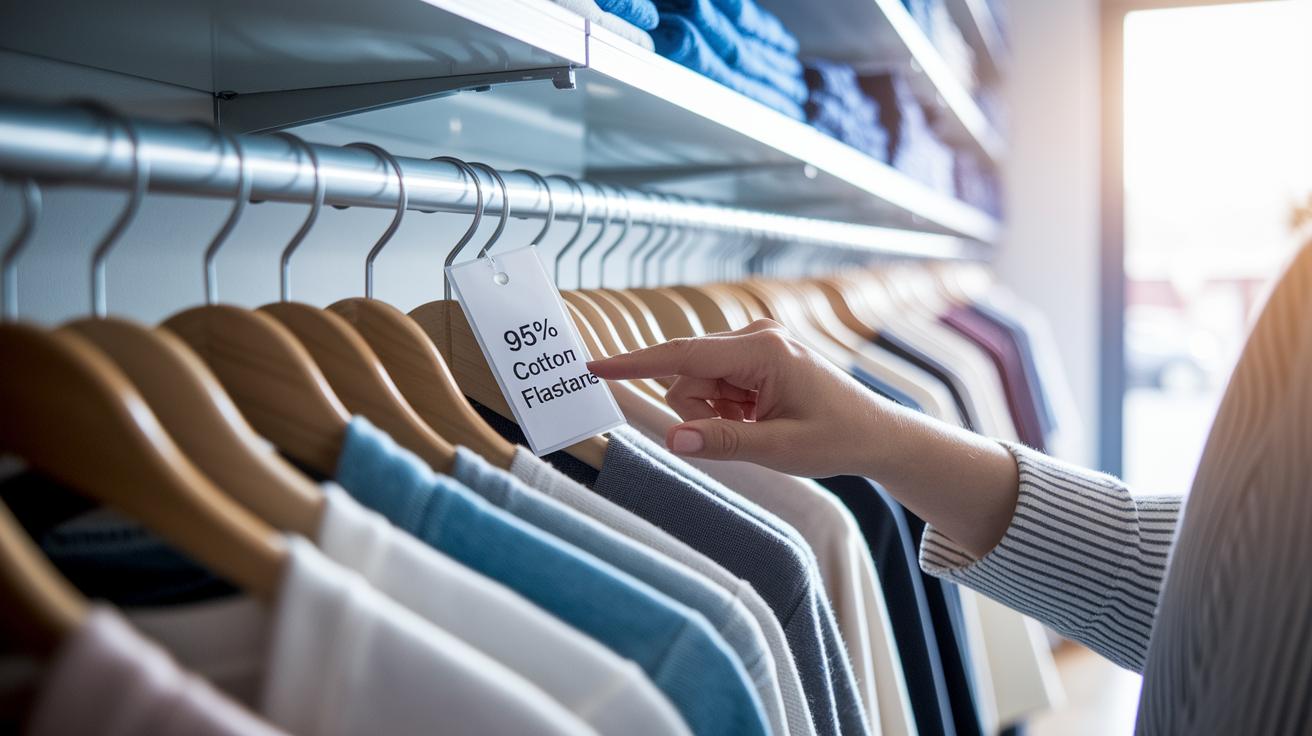
When you shop online, check for exact fiber percentages in the product description. A tag that says "95% cotton, 5% elastane" tells you exactly what you're getting. Clear numbers help you compare different items and avoid vague labels like "polyester blend," which might be a warning sign. It also shows if the garment is meant to be breathable, like cotton, or have a soft shine from silk.
Keep an eye out for how different fibers feel. Cotton feels soft and lets air in, while silk gives a light, shiny look. Polyester is tough and long-lasting. For example, a description that reads "lightweight silk with a touch of elasticity" tells you the maker put care into choosing the right blend. Missing or unclear fiber details can be a sign of lower quality or even misrepresentation.
Also, look for certifications like Oeko-Tex or GOTS (Global Organic Textile Standard, a label that means the fabric is made without harmful chemicals). These marks show that the garment meets ethical and safe standards. Spotting them means you can trust the fabric's quality for everyday wear.
Zoom In on Fabric Weave and Texture via Product Photos
When shopping online, use clear, high-resolution pictures and zoom in to check the fabric closely. Look at how the stitches line up and how dense they are to understand the cloth's structure. For example, zooming in on a photo can show you that the threads line up smoothly, much like a well-made tweed jacket where every detail is clear. This can help you tell if the weave is tight or if the knit is loose, which may affect how long the fabric lasts.
Use these tips to check the fabric's surface too. Notice if it looks matte, satin, or has a pebbled finish. If you can, count the visible threads; a regular pattern usually means the fabric was made with care. Clear and detailed images show that the brand stands behind the quality of its material and construction.
Leverage Customer Reviews to Verify Fabric Durability
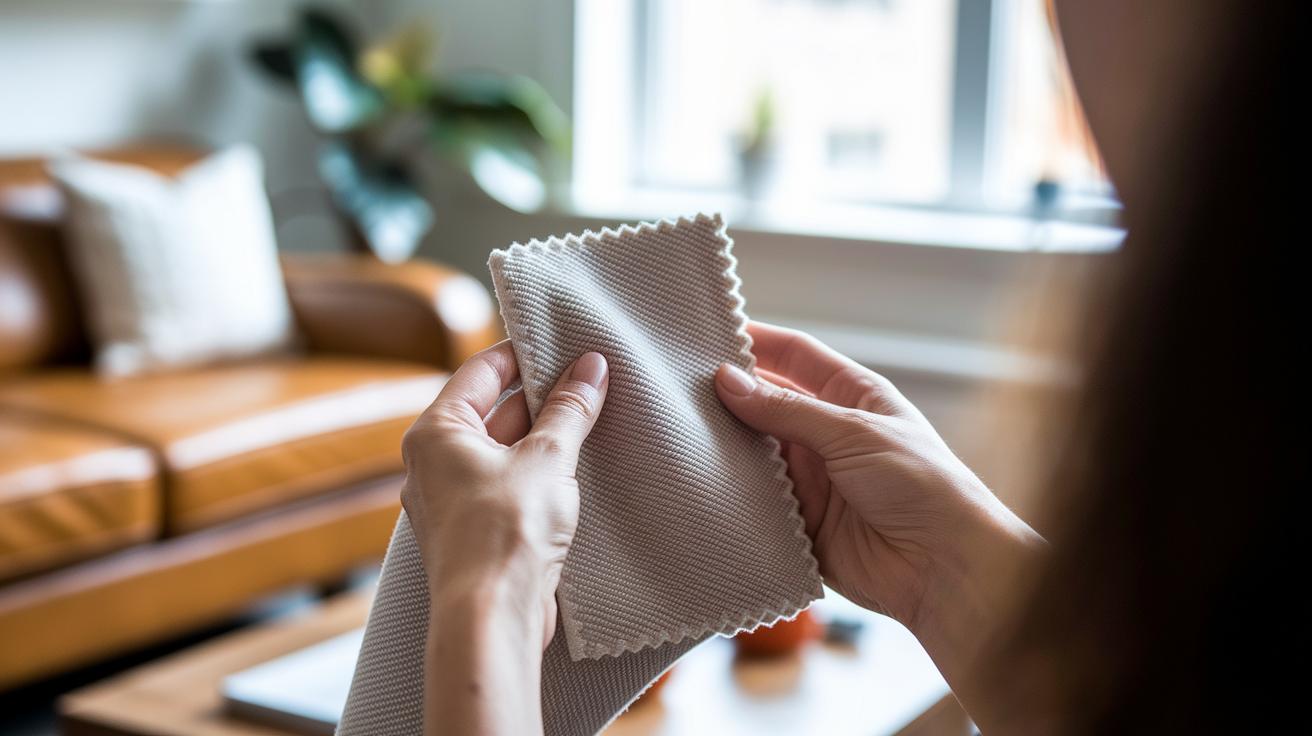
Reviews from other buyers give you a clear picture of how a fabric holds up over time. They tell you if a fabric pills, fades, or stretches after many wears and washes. Look for detailed comments that talk about how the material moves, drapes, and feels against your skin.
- Comments about pilling or snagging
- Reports on color staying true after several washes
- Descriptions of how the fabric drapes and feels in real life
- Notes on shrinkage or stretching
- Specific advice on care and maintenance
Avoid reviews that are one sentence long without details. The clear, thoughtful feedback helps you decide if the fabric will last as long as you need it to.
Assess Price and Brand Reputation as Quality Signals
When shopping online, the price is a key clue to fabric quality. If you see low prices on items meant to be premium, like silk or linen, it might mean the fabric is a blend or made with cheaper synthetics. For example, a silk shirt offered at a big discount compared to others could actually be a polyester mix. Brands offering easy returns tend to back up their quality claims, which can give you more confidence in your buy. For more ideas on balancing cost and expectations, check out the clothing quality vs price guide.
Brand reputation is another reliable sign of quality. Trusted brands often provide clear material guides or certifications that show their items are made with careful, chemical-free methods. A high price does not always mean better quality, so it helps to compare similar products. Sometimes a slightly higher price signals better craftsmanship and stricter quality control. Customer reviews can also show that higher prices often match steady product performance and happy buyers.
Comparison Tip: Always read reviews and check certification details to see if the price truly reflects the material quality and brand reliability.
Identify Red Flags for Poor Fabric Quality Online
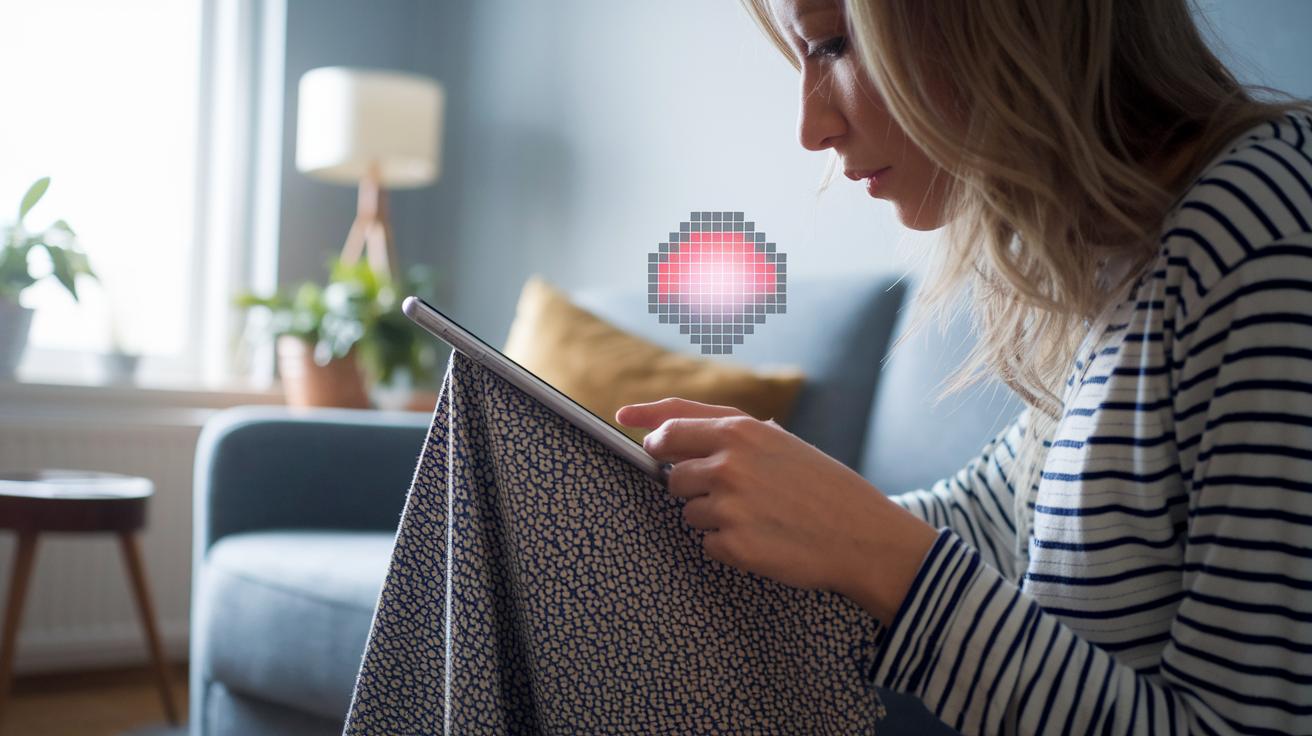
When shopping online, it's key to spot hints that the fabric might not be top-notch. We combined the main warnings into our quality tips and product description checks. Here are some clear points to keep in mind:
- Look out for vague fabric terms, like saying "polyester blend" without percentages. This can hide what the fabric is really made of.
- Low-resolution images or no zoom option might hide uneven textures and stitching details.
- Missing care instructions can signal that the fabric may not hold up well over time.
- Prices that seem too low might indicate the material isn't as good as it should be.
Compare Natural vs. Synthetic Fibers for Quality Insights
Natural fabrics like cotton, silk, and linen let your skin breathe while draping gently on your body. Cotton feels light and cool against your skin. Silk has a smooth, shiny finish but needs extra care when you wash it. Linen starts off sturdy and crisp but softens over time as you wear it more. These fabrics feel natural and comfy, but they require careful washing to keep them in shape. Always check the care instructions to help them last longer.
Synthetic fibers such as polyester, nylon, and spandex give you great stretch and help wick moisture, keeping you dry. They resist wrinkles and hold their shape with regular use, though sometimes they can hold in heat. When natural fibers mix with synthetics in blends, you get a soft feel paired with added durability. A denser fabric usually means it will hold up well over time. They are simpler to care for, but you should still verify the proper cleaning method to ensure you get the performance you expect.
Virtual and Post-Delivery Tests for Fabric Validation
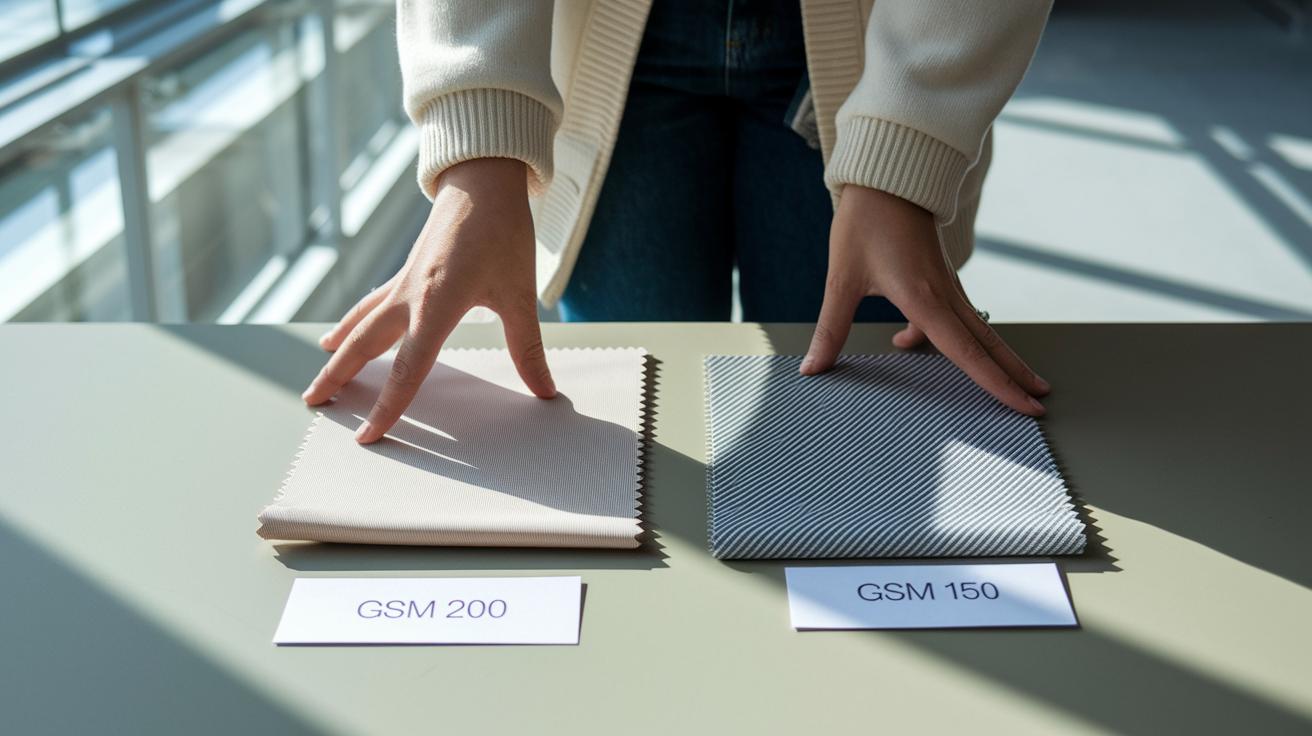
Before buying, try a digital textile feel test. Ask for fabric swatches or set up a live video call so you can see and feel the garment's texture directly. Check the product details for gsm (grams per square meter, a measure of fabric weight). A fabric listed at 200 gsm over 150 gsm is generally sturdier and more likely to hold its shape.
Once the item arrives, run a few simple tests at home. Start with a gentle hand-wash to see if it shrinks or loses color. Hang the garment to check its drape and stretch recovery, and feel along the edge to test the seam strength. Finally, review the care instructions to be sure you can take good care of it. This mix of digital and at-home checks helps you know if the fabric meets your quality needs.
Final Words
In the action, we broke down simple ways to check fabrics online. We looked at clear fiber details, close-up photos of texture, real user reviews, fair pricing signals, and red flags in product descriptions.
Key points covered include:
- Fiber composition and weave density
- Genuine customer insights
- Evaluating price and brand reputation
- Conducting both virtual and post-delivery tests
Using these clear checks shows you exactly how to spot quality fabrics when buying clothes online, helping you make each purchase with confidence.