

Ever wonder if runway trends affect your everyday style? Big fashion shows bring bold ideas that might seem out of reach. But smart designers mix these daring touches with basic looks so you can wear them too.
In this post, we explain how experts study eye-catching details such as unique cuts and soft pastel colors. Our trend forecast breaks down the creative energy into simple steps that turn high-fashion ideas into styles you can actually enjoy.
Bridging Runway Trends and Retail Strategy in Fashion Trend Forecast
Runway shows give designers a chance to try bold new ideas. Events like NY Fashion Week September let designers mix bright colors, unique shapes, and cool fabrics. These shows burst with creative energy that sparks new trends. Social media and influencers then share these fresh looks with lots of people.
Trend watchers attend these events and also study street styles worldwide. They note every little detail, from how a blazer is cut to surprising fabric pairs, and see how they match what people like to wear. This careful look helps turn high-fashion ideas into styles you can wear every day. Brands use these insights to plan their collections and stock just the right items.
By blending creative flair with real market research, fashion experts make sure that every cool detail from the runway becomes a look you can actually rock.
Forecasting Methodologies in Fashion Trend Forecast: From Micro to Macro Trends
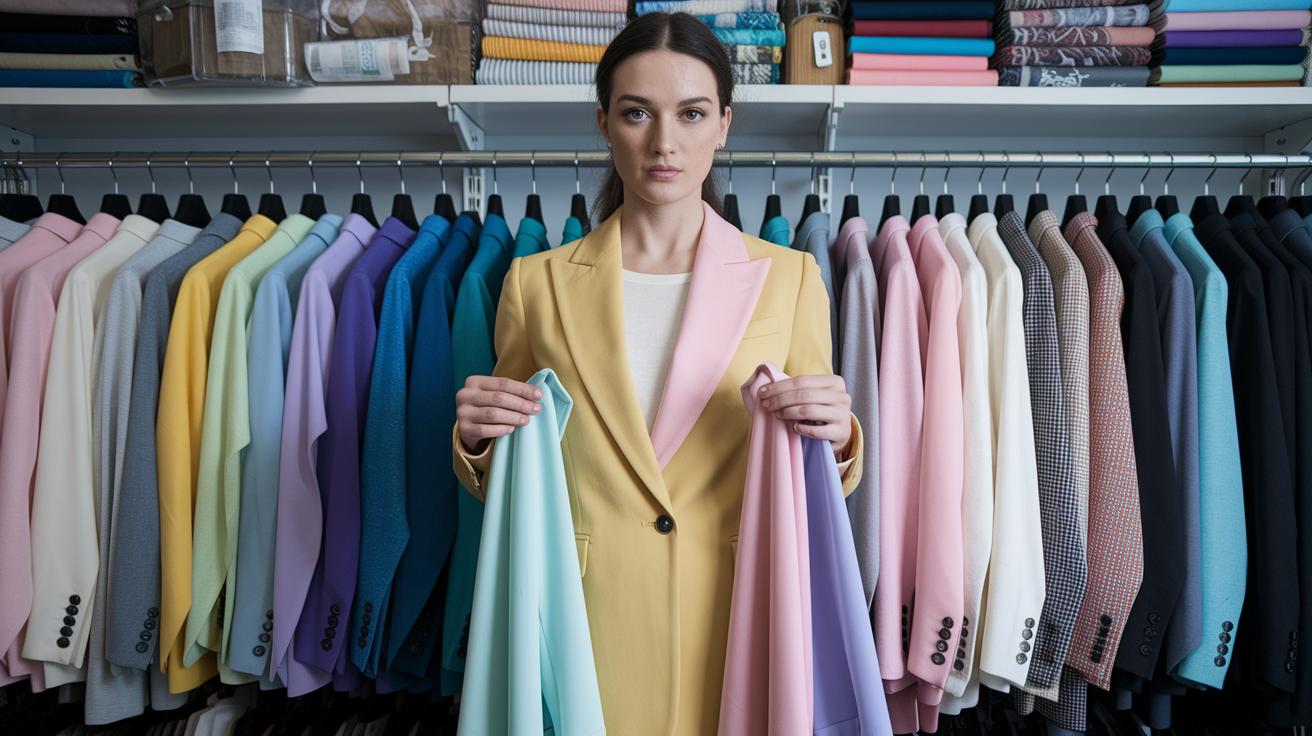
Micro trend analysis focuses on the small details like soft pastel colors, breezy linens, and structured blazers. It uses simple prediction methods (techniques that help guess upcoming trends) to catch fast-changing styles. For example, watching runway shows up close might reveal a model in a soft, oversized blazer, a detail that soon appears in many stores. One season, nearly 70% of new designs featured these gentle pastel hues, sparking a fresh everyday look.
Macro forecasting, on the other hand, looks at the big picture. It tracks broader shifts such as the rise in eco-friendly fashion or new tech in fabric making (innovations that change how a fabric feels or works). Experts review market research, busy city styles, and social media to understand where fashion trends are headed over several seasons.
Key steps include:
- Attending runway events to see the newest designs.
- Observing street styles in major cities for real-world trends.
- Monitoring social platforms to capture customer feelings.
These practical steps help predict which design details will move from the runway to retail, ensuring that designers and buyers stay one step ahead.
Fashion Trend Forecast: Translating Couture Collections to Retail Assortments
Trend forecasters take high-fashion details and turn them into outfits you can really wear. They break down looks into clear parts like modern shapes, bold patterns, and new fabric ideas (innovations in the material used). For example, some wild 1970s bell-bottom styles have been softened into pieces that work perfectly for everyday wardrobes.
These experts study couture collections to find elements that fit well into daily wear. They focus on reworking precise tailoring into ready-to-wear designs and adjust high-end performance details to be more accessible. They also watch for seasonal color shifts. For instance, rich earth-toned runway palettes might be lightened into friendly hues that suit both work and play.
Avant-garde trends push design limits, but the best ideas are simplified for everyday style. Often, dramatic cuts and bold angles are smoothed into familiar, wearable shapes. This process keeps the spirit of high fashion while adding practical touches for comfort and easy styling.
Key steps in the process include:
- Breaking bold patterns and textures into clear, wearable elements
- Streamlining intricate designs into simpler versions
- Testing fabric innovations to work well in both couture and retail collections
Fashion Trend Forecast: Consumer Behavior and Market Impact Analysis
Retail brands are learning that posts online and data from shopping are just as important for planning collections as runway shows. Tools scan TikTok and Instagram to catch early hints of a growing love for eco-friendly styles. When shoppers react with lots of likes and comments on posts about sustainable fabrics (fabrics that help the environment), it shows companies that greener options are in demand.
Sales figures and social media chatter work like a thermometer for shopper habits. They help brands adjust what they offer and how much to stock. For example, when online talk hints that soft pastel, structured blazers are in style, brands take note for both quick updates and long-term planning. It’s like feeling the room before a party; you know what vibe to set. One study even pointed out that consumers lean toward clothing that not only looks good but also supports their values.
Prices also play a big role. Retailers check sales data to see how price changes affect buying behavior. They use simple models to predict how adjustments in cost might change what people are willing to spend, making sure inventory matches shopper budgets.
Key moves brands make:
| Step | Action |
|---|---|
| 1 | Analyze online retail insights |
| 2 | Watch style cues on social media |
| 3 | Model how price changes affect interest |
This practical approach helps brands let real data and social buzz guide their product plans.
Fashion Trend Forecast: Retail Strategies for Merchandising and Omnichannel Integration
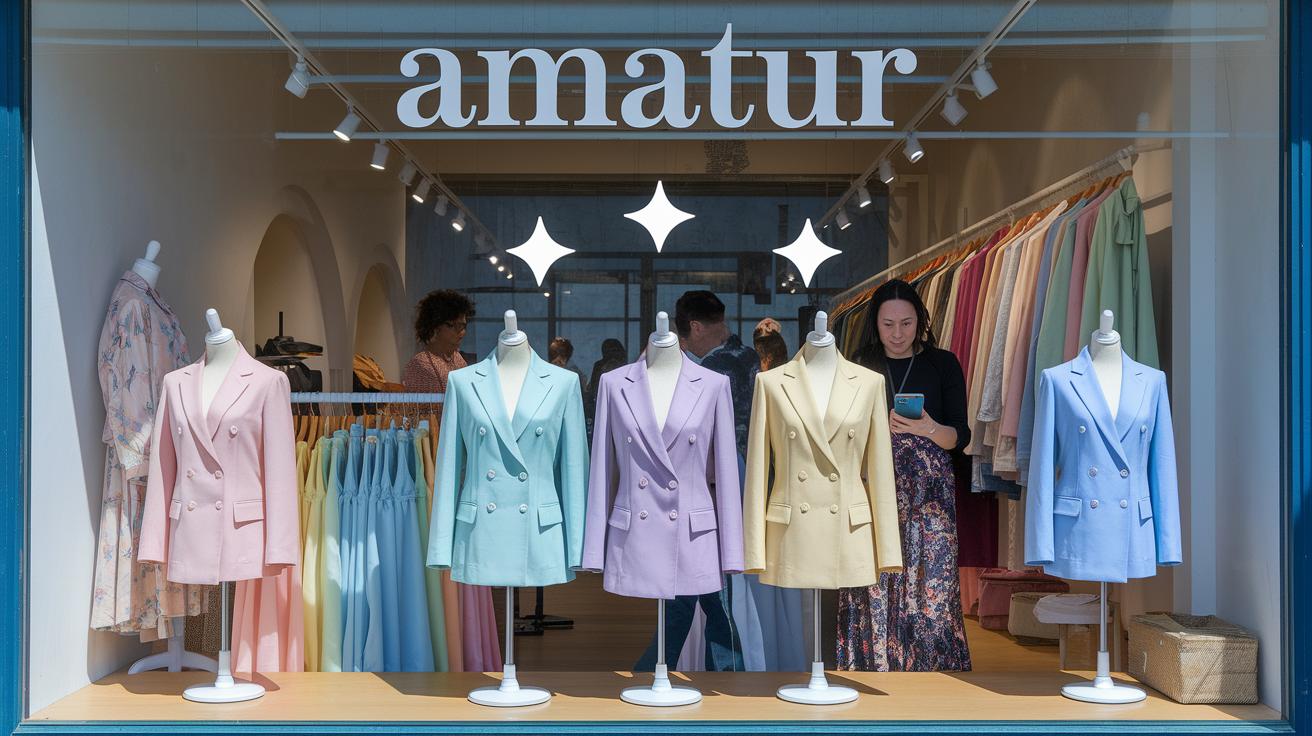
Retailers are reshaping their stores using trend forecasts from the runway. They update window displays and rearrange in-store layouts with the season's colors and patterns. For example, if a forecast shows more bold, structured shapes, the store design will highlight these styles with eye-catching displays.
Brands are now linking online shopping with physical showrooms. With tools like AR (augmented reality, which lets you try things virtually), customers can preview items before visiting a store. This easy mix of online and offline experiences drives more engagement and in-store visits.
Retailers also use social media to find fresh style ideas. They track what users interact with and adjust product spots and promotions accordingly. Influencers add real, trusted recommendations that draw even more visitors into the store.
Key tactics include:
- Updating window displays and store layouts to match current trends.
- Using digital tools such as AR to blend online and in-person shopping.
- Partnering with influencers to boost social media activity and physical visits.
Together, these strategies create a smooth shopping experience that makes sure both online and offline touchpoints show off the latest trends.
Fashion Trend Forecast: Future Directions in Technology and Sustainable Innovation
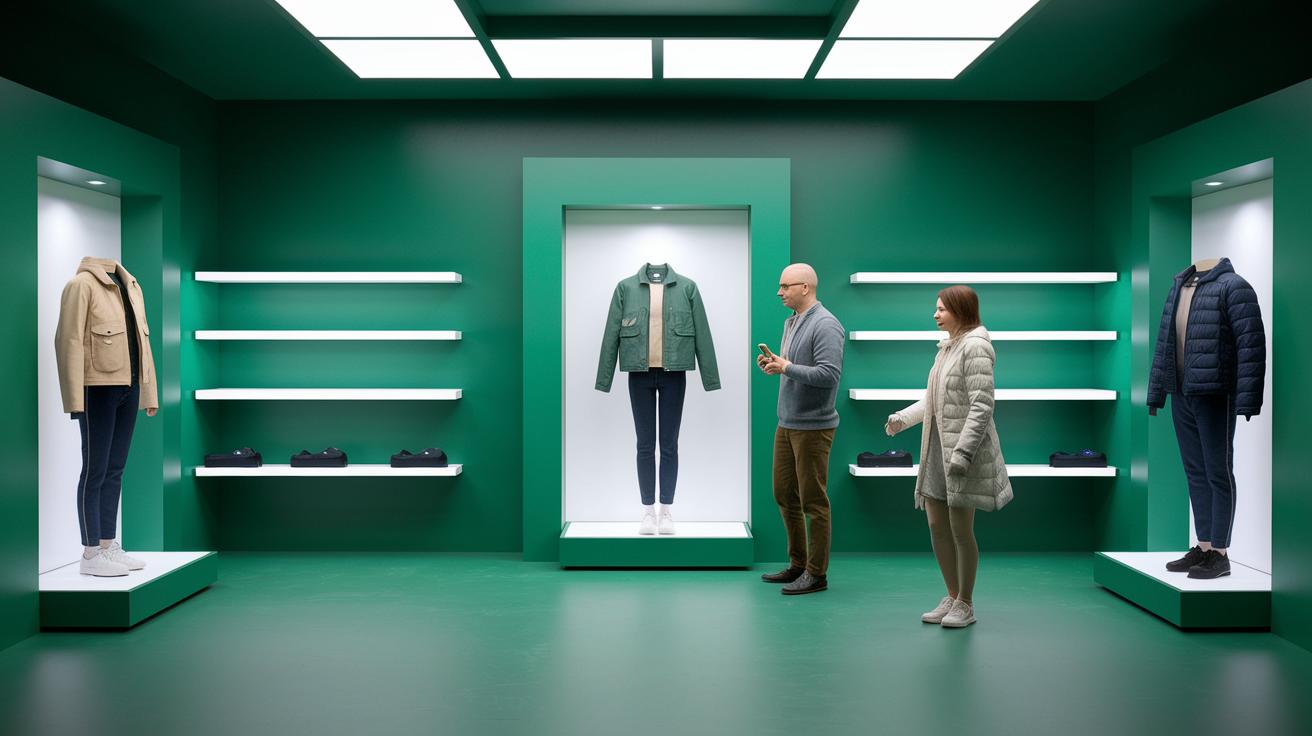
Retail is changing fast with new tech and green ways to work. Soon, you might try on clothes in a virtual fitting room, like stepping into a digital space where you can see a jacket on your online self. Retailers are also using smart systems (AI, which means computers that learn from your choices) to give you personalized style picks based on what you liked before.
Many brands are going green by using fabrics made from recycled materials or biodegradable textiles (materials that break down naturally). They are even trying out ways to reuse materials and cut waste. Some stores now offer augmented reality, which lets you see how new trends fit into your life right away.
Key steps include:
- Using tech to make fabrics both stylish and practical.
- Choosing eco-friendly materials that are on trend and kind to the planet.
- Blending virtual try-ons with augmented reality to make shopping more personal.
This mix of smart technology and green practices turns high-fashion ideas into everyday looks that are both cool and eco-friendly.
Final Words
In the action, we explored runway shows sparking bold ideas that shape daily retail planning. We broke down short-term and long-term forecasting while unpacking how designers influence kits for everyday wear. We also looked at consumer signals and how tech and sustainable innovations play a role in retail strategy.
This fashion trend forecast: bridging runway and retail shows that smart planning can smooth out buying decisions and save time, leaving us with a style-forward outlook.
FAQ
How do runway shows influence retail trend planning?
Runway shows influence retail planning by setting the stage with bold ideas from designers. They reveal upcoming shapes, color palettes, and fabric innovations that are later adapted into retail-ready collections.
What forecasting methods are used in fashion trends?
Forecasting methods combine close observation of runway presentations, street-style insights, and social media trends for micro details. They also study broader shifts, like sustainable styles and tech innovations, for long-term market changes.
How are couture collections translated into retail-ready looks?
Couture collections are translated by extracting wearable elements such as modern silhouettes and innovative fabrics. Designers tone down extreme looks into accessible styles, like adapting bold 1970s bell-bottoms for everyday wear.
How is consumer behavior factored into fashion forecasting?
Consumer behavior is factored in by tracking social media buzz, online retail performance, and sales data. This helps forecasters align emerging trends with actual buying habits, including shifts toward eco-friendly products.
What retail strategies support trend alignment across physical and digital channels?
Retail strategies integrate visual merchandising, tailored window displays, and digital tools such as augmented reality. These methods ensure that trends seen on the runway smoothly transition into consistent in-store and online shopping experiences.
How is technology shaping the future of fashion trend forecasting?
Technology is shaping trend forecasting through AI-driven customization, virtual fitting rooms, and sustainable fabric innovations. These advances offer personalized styling and eco-friendly solutions that redefine the runway-to-retail transition.